– John Porter
In addition to extensive training in assessing a range of psychological difficulties, following the formulation of an individuals’ distress, Clinical Psychologists are also trained in providing more than one type of therapy. Dr Morgan has experience in delivering therapy using a number of models including Cognitive Behavioural Therapy (CBT), Cognitive Analytic therapy (CAT), Mindfulness based Cognitive Therapy (MCT), Systemic Therapy (ST) and Psychodynamic Psycho Therapy (PPT). CBT is the main mode of therapy that Dr Morgan offers. Any intervention offered is based upon individual need and the formulation of current difficulties.
The first thing that you should expect is to meet with someone who will listen to you. For Dr Morgan, listening means hearing you express your issues, how you and others perceive them, how long they have been occurring and how you have coped.
Some of your sessions may be devoted more toward listening; other sessions might be spent more actively engaged in trying to solve a particular problem. This may involve keeping a diary of thoughts, feelings and behaviours, or conducting a task to test out the validity of a particular belief. Other sessions might be devoted to bringing together parts of what have been talked about and exploring with you important things that might be related and how you think and feel about them.
Since therapy involves the exploration and processing of uncomfortable aspects of life, you may at times experience difficult feelings like sadness, guilt, anger, depression, frustration, loneliness, and helplessness. These emotional states can sometimes last for days or even weeks. It is important that you are aware of this, however research has shown that most people who take these risks find that therapy is helpful. Dr Morgan and you will work together to understand what might be going on. Last, but by no means least, you should expect to be attended to and treated with respect and dignity with confidentiality assured.
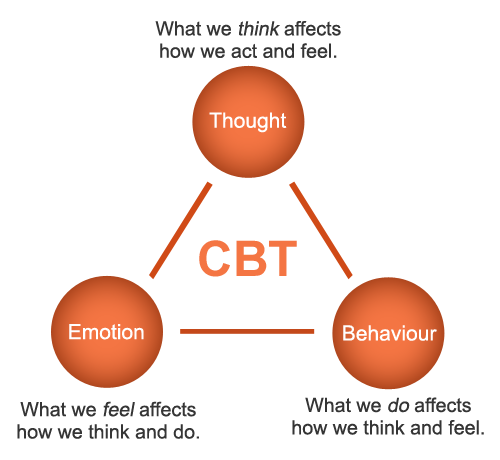
What we think influences how we feel and subsequently how we behave or act. When someone is suffering from a psychological difficulty some of their thoughts lead to unpleasant feelings and often-unhelpful behaviors. The unhelpful behaviors (e.g. avoidance, drinking too much alcohol etc.) often serve to encourage further negative thoughts and people become locked in a vicious circle.
CBT stands for Cognitive Behavioural Therapy and is a specialist approach that is an evidenced based treatment for a number of mental health difficulties. It is recommended by NICE guidelines (guidelines that inform the NHS about the current most effective treatments for all physical and mental health problems).
CBT allows the person to explore how their current thinking style/patterns may impact upon their feelings and how this then effects the decisions they make about how to respond (behavior). The main goals are a) to help you to become your own therapist, gradually reducing the need for the therapist, b) to develop a toolbox of skills and techniques to apply to old patterns of thinking and behaving, c) to help you stay well by learning to deal with new issues or difficulties which may arise.
-Sherlock Holmes by Arthur Conane Doyle
All services are bound by professional codes of conduct, so a confidential service is assured. If you require particular discretion around consultations, then please don’t hesitate to contact Dr Morgan to discuss in further detail so that confidentiality is maintained.
To contact Dr Morgan please click here.